
Your Cart is Empty
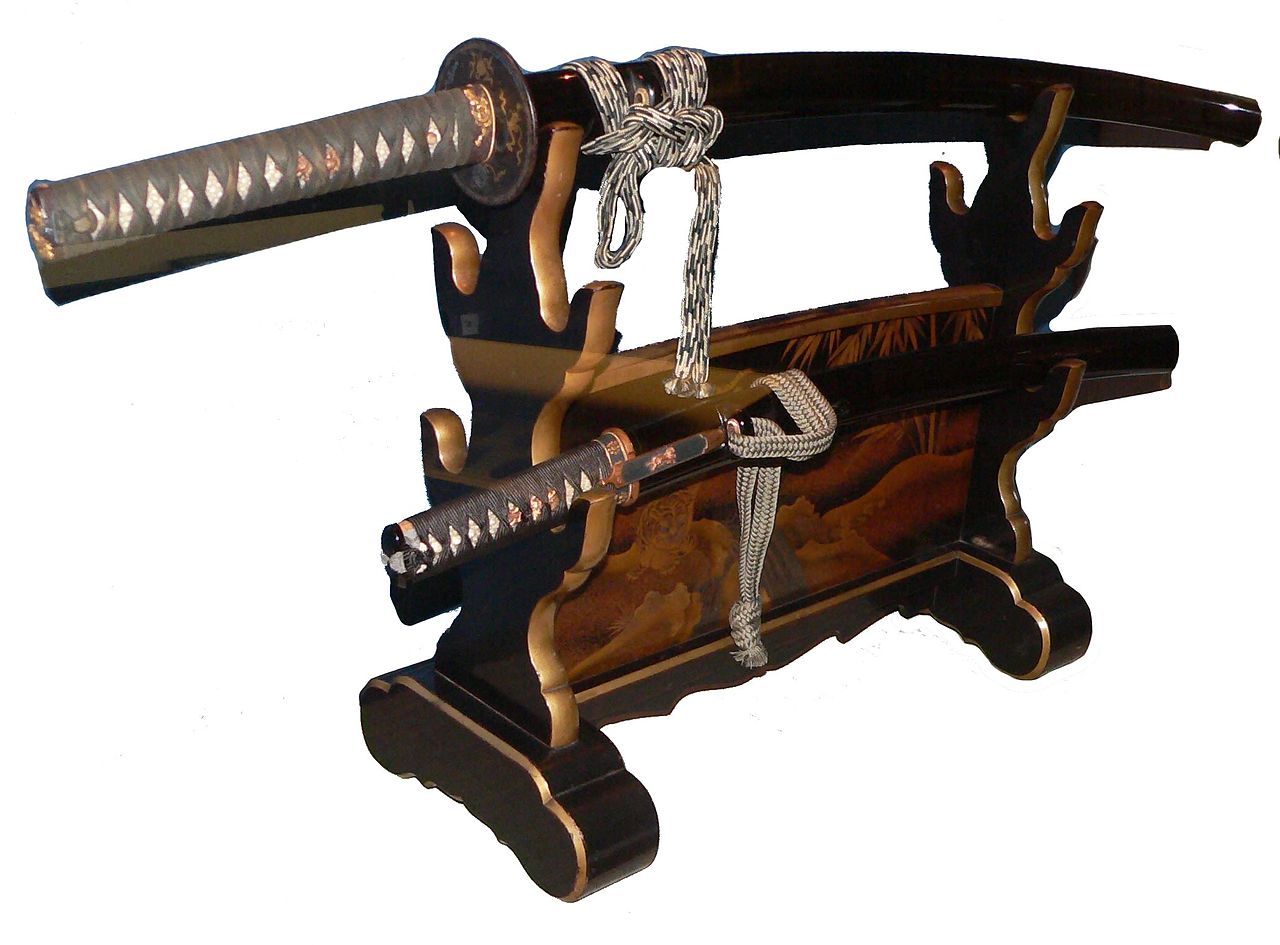

It wasn't uncommon for samurai warriors in feudal Japan to carry two swords rather than just one. Known as daishō , this practice has deep roots cemented in Japan's history. For hundreds of years, samurai warriors would carry a long sword and a short sword, allowing them to engage their enemies in a variety of environments and circumstances. But there are several common myths and misconceptions surrounding daishō, some of which we're going to explore in this blog post.
Only Samurai Warriors Practiced It
Some people believe that only a select number of samurai warriors practiced daishō. The truth, however, is that nearly all samurai warriors carried two swords. This is because Japan's government passed a law in 1629 requiring samurai warriors to practice daishō while on official duty. Those who didn't were essentially breaking the law and thus could be reprimanded.
Bladesmiths Made Both Swords at the Same Time
Some bladesmiths forged the long and short swords simultaneously so that they could achieve a cohesive, similar style. Others, however, produced them at different times. Furthermore, samurai warriors in feudal Japan often purchased a long sword from one bladesmith and a short sword from a different bladesmith, meaning pairs of swords for daishō weren't always forged and sold together.
It Always Involved the Katana and Wakizashi
A katana and wakizashi was the most popular pair of swords worn by samurai warriors who practiced daishō. With an average blade length of just 12 to 14 inches (30 to 60 cm), the wakizashi was a formidable weapon that was perfect for close quarters combat. With that said, not all samurai warriors carried these two swords. Many preferred other combinations of swords, such as a tanto and katana. The only requirement for daishō was that it consisted of a long sword and short sword. Samurai warriors were able to choose their own specific swords with which to practice daishō.
It's Still Openly Practiced Today
Daishō isn't openly practiced in Japan today. While samurai warriors were once required to carry a long sword and a short sword, Japan's government has since banned the practice of carrying swords in public by most of the population. This ban was enacted in the late 1800s and has remained ever since. There are still a few exceptions, such as swordsmanship performances, but the majority of Japan's population is now banned from practicing daishō or otherwise carrying swords in public.

What the habaki, tsuba, tsuka, menuki, fuchi, kashira and saya actually do, and how to choose each one when you design a custom katana. Illustrated with museum pieces from the Metropolitan Museum of Art.