Your Cart is Empty
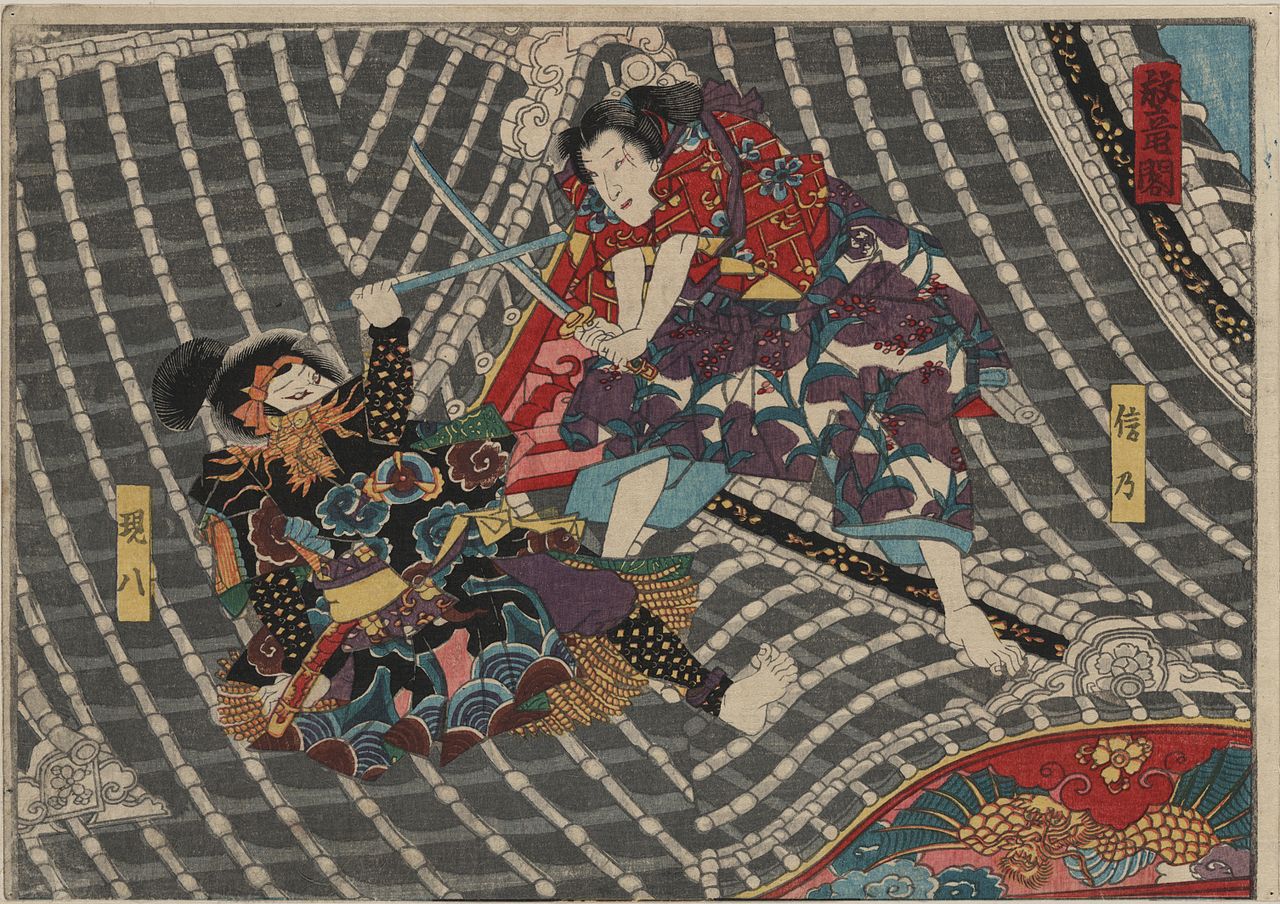

Some people assume that kenjutsu is the only form of traditional swordsmanship originating from Japan. The truth, however, is that kenjutsu is an umbrella term used to describe all styles of Japanese swordsmanship, including kendo, iadio and many others. A lesser-known style of kenjutsu is Suiō-ryū, which remains one of the country's most popular styles after several centuries. So, what is Suiō-ryū exactly, and how did it become one of Japan's most popular styles of swordsmanship
Overview of Suiō-ryū
Suiō-ryū is a style of traditional Japanese swordsmanship that was developed by Mima Yoichizaemon Kagenobu around the latter part of the region's Sengoku period. It features elements of other styles, including iajutsu and jojutsu. It's believed that Kagenobu lost a dual to a better-trained samurai warrior. Kagenobu then pledged to create his own style of swordsmanship so that this wouldn't happen again, thereby paving the way for what would become Suiō-ryū.
When compared to other styles of Japanese swordsmanship, Suiō-ryū is fairly complex. Kagenobu created the style using some 64 unique techniques. Furthermore, there are both physical and spiritual elements to these techniques.
Suiō-ryū Techniques
What kind of techniques can you expect to see in Suiō-ryū? It varies depending on the particular school, but most techniques centre around iajutsu motions. As you may already know, iajutsu is a style of Japanese swordsmanship that involves drawing a sword, such as a katana, in a fast and fluid motion. Suiō-ryū follows in this same path by encouraging practitioners to efficiently draw their sword.
There's more to Suiō-ryū than just sword drawing, however. This traditional style of Japanese swordsmanship also covers offensive strikes, counterattacks, defending, staff techniques, grappling, sword against sword, sickle and chain usage and more. Suiō-ryū is a complex, versatile style of swordsmanship that exposes to practitioners to a variety of techniques.
Licenses
While other styles of Japanese swordsmanship uses grades to "rank" practitioners, Suiō-ryū uses licenses. A new practitioner starts off with the lowest license, and as he or she becomes more proficient, they'll achieve higher licenses.
Most Suiō-ryū schools use the following licenses (lowest to highest):
It's important to note, however, that practitioners typically cannot earn the highest license, the Inka. Rather, this license is reserved for the successor of Suiō-ryū.

What the habaki, tsuba, tsuka, menuki, fuchi, kashira and saya actually do, and how to choose each one when you design a custom katana. Illustrated with museum pieces from the Metropolitan Museum of Art.